

Early hearing loss is often subtle, making it easy to ignore until it impacts daily life. The best way to catch it is by asking the right questions during your audiologist appointment. This guide provides a structured list of questions to ask an audiologist, covering hearing test types, sudden hearing loss, tinnitus, noise exposure, and hearing protection. It helps you prepare for your visit and understand your results.
Essential Questions for Your Audiologist
Preparing for an appointment reduces anxiety and ensures you get the information you need. An audiologist is a healthcare professional who specializes in diagnosing and treating hearing and balance disorders. When you sit down for a consultation, you should ask about the specific nature of your hearing changes. Do not assume that age-related hearing loss is the only possibility. Ask your provider to explain the exact type of hearing loss you have, such as conductive, sensorineural, or mixed. This distinction matters because it changes the treatment options available to you.
Understanding the Diagnosis
Ask your audiologist to explain the results of your audiogram in plain language. You want to know which frequencies are affected and how severe the loss is. Ask if the hearing loss is progressive or stable. If it is progressive, ask what the expected timeline is for further decline. This helps you plan for future needs, such as hearing aids or lifestyle adjustments.
Discussing Treatment Options
Ask about all available treatment options, not just hearing aids. Some forms of hearing loss can be treated with medication or surgery. Ask if your condition is eligible for any medical interventions. Also, ask about the realistic benefits of hearing aids. Do not expect them to restore perfect hearing, but ask how they will improve your specific listening situations, like conversations in noisy rooms.
Understanding Hearing Test Types
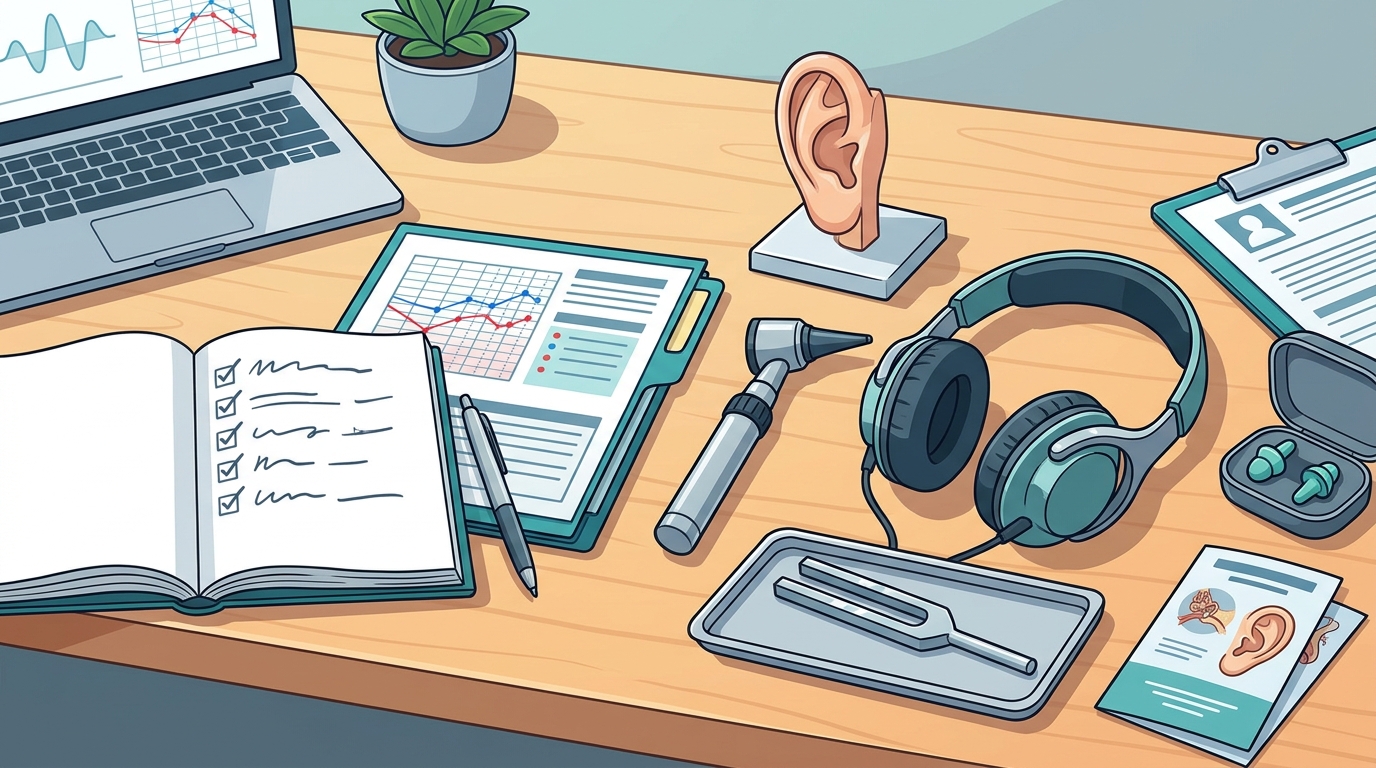
A hearing test is a series of assessments that measure how well you hear different sounds. The most common test is the pure-tone audiogram, which measures the softest sounds you can hear at various frequencies. You will wear headphones and press a button when you hear a tone. This test creates a graph called an audiogram, which maps your hearing sensitivity. Understanding this test helps you interpret your results and ask better questions.
Pure-Tone Audiometry
Pure-tone audiometry is the standard test for measuring hearing sensitivity. It tests both ears separately. The audiologist will play tones at different pitches, from low to high. You will be asked to indicate when you hear a sound. The results are plotted on a chart with frequency on the horizontal axis and intensity on the vertical axis. Normal hearing is generally considered to be within 25 decibels. Hearing loss is categorized as mild, moderate, severe, or profound based on the average of the tested frequencies.
Speech Audiometry
Speech audiometry measures how well you understand spoken words. This test is crucial because it reflects real-world listening. You will listen to words or sentences at different volumes. The test determines your speech reception threshold, which is the volume at which you can understand 50% of the words. It also measures your word recognition score, which is the percentage of words you understand at a comfortable volume. A low word recognition score can indicate a problem with the nerve or brain processing the sound, even if the pure-tone test looks normal.
Other Diagnostic Tests
Your audiologist may perform additional tests to determine the cause of your hearing loss. These can include tympanometry, which measures the movement of the eardrum. This test helps identify middle ear problems, such as fluid or infection. Otoacoustic emissions (OAE) tests measure the sounds produced by the inner ear. If the inner ear is damaged, it will not produce these sounds. These tests help the audiologist pinpoint where the problem is located in your ear.
Recognizing Sudden Hearing Loss
Sudden hearing loss is a medical emergency that requires immediate attention. It is defined as a loss of at least 30 decibels in three consecutive frequencies over a period of 72 hours or less. If you experience a sudden drop in hearing, do not wait for a routine appointment. Go to an emergency room or see an otolaryngologist (ENT) immediately. Time is critical because treatment is most effective when started within the first two weeks.
Causes of Sudden Hearing Loss
The exact cause of sudden hearing loss is often unknown. However, it can be linked to viral infections, blood circulation problems, or autoimmune disorders. In some cases, it is caused by a blockage in the inner ear. Because the cause is often unclear, doctors treat it aggressively to save the hearing. The standard treatment involves corticosteroids, which can be taken orally, injected into the ear, or both. Early treatment significantly improves the chances of recovery.
When to Seek Emergency Care
If you notice a sudden change in hearing, especially in one ear, seek medical care immediately. Do not assume it will go away on its own. Sudden hearing loss can also be accompanied by dizziness, vertigo, or tinnitus. These symptoms indicate that the inner ear is affected. The faster you receive treatment, the better the prognosis. Delaying treatment can result in permanent hearing loss. Always prioritize speed when dealing with sudden hearing changes.
Managing Tinnitus and Ringing Ears
Tinnitus is the perception of sound when no external sound is present. It is often described as ringing, buzzing, hissing, or roaring. Tinnitus is a symptom, not a disease, and it is frequently associated with hearing loss. While there is no cure for tinnitus, there are effective management strategies. Ask your audiologist about the relationship between your tinnitus and your hearing loss. Treating the hearing loss often reduces the severity of the tinnitus.
Tinnitus Retraining Therapy
Tinnitus retraining therapy (TRT) is a combination of sound therapy and counseling. The goal is to help your brain habituate to the tinnitus sound. Sound therapy involves using a device that generates low-level noise to mask the tinnitus. Counseling helps you change your emotional response to the sound. Over time, your brain learns to ignore the tinnitus, and it becomes less noticeable. TRT is most effective when started early and followed consistently.
Lifestyle and Stress Management
Stress and anxiety can worsen tinnitus. Ask your audiologist for recommendations on stress management techniques. Relaxation exercises, mindfulness, and cognitive behavioral therapy (CBT) can be helpful. CBT helps you change the negative thoughts and emotions associated with tinnitus. It has been shown to reduce the distress caused by tinnitus. A healthy lifestyle, including regular exercise and adequate sleep, can also improve your overall well-being and reduce tinnitus perception.
Assessing Noise Exposure Risks
Noise-induced hearing loss is a preventable form of hearing loss caused by exposure to loud sounds. It is one of the most common causes of hearing loss in the working-age population. Ask your audiologist to assess your noise exposure history. They can help you identify the sources of noise that are most likely to be damaging your hearing. This assessment is crucial for developing a prevention plan.
Occupational Noise
If you work in a noisy environment, such as construction, manufacturing, or music, you are at higher risk for noise-induced hearing loss. Ask your audiologist about the safe exposure limits for your specific workplace. The general guideline is that exposure to sounds above 85 decibels for more than 8 hours a day can cause hearing damage. The louder the sound, the shorter the safe exposure time. Your employer is required to provide hearing protection and monitor your hearing if you are exposed to high noise levels.
Lifestyle Noise
Lifestyle noise, such as listening to music through headphones, attending concerts, or using power tools, can also cause hearing loss. Ask your audiologist about safe volume levels for personal audio devices. A good rule of thumb is to keep the volume below 60% for no more than 60 minutes at a time. This is known as the 60/60 rule. Be mindful of the cumulative effect of noise exposure throughout the day. Even moderate noise can add up and cause damage over time.
Choosing Effective Hearing Protection
Hearing protection is the most effective way to prevent noise-induced hearing loss. There are several types of hearing protection available, each with its own advantages and disadvantages. Ask your audiologist which type is best for your specific needs. The right protection depends on the noise level, the duration of exposure, and your personal comfort.
Types of Hearing Protection
Earplugs are a simple and affordable option. They come in disposable foam or reusable custom-molded versions. Foam earplugs are easy to use but may not provide a consistent level of protection. Custom-molded earplugs are made from an impression of your ear and provide a better fit and more consistent protection. Earmuffs are another option, especially for high noise levels. They are easy to put on and take off but can be bulky and uncomfortable in hot environments. Electronic earmuffs amplify quiet sounds while blocking loud ones, making them useful for hunters or musicians.
Proper Fit and Use
The effectiveness of hearing protection depends on proper fit and use. Ask your audiologist to check the fit of your earplugs or earmuffs. They can perform a fit test to measure the actual noise reduction you are getting. This is important because the rated noise reduction may not be achieved if the protection is not worn correctly. Make sure you are comfortable with your hearing protection. If it is uncomfortable, you are less likely to wear it consistently. Comfort is key to long-term compliance.
Key Takeaways
- Ask your audiologist to explain the specific type and severity of your hearing loss.
- Understand the different types of hearing tests, including pure-tone and speech audiometry.
- Treat sudden hearing loss as a medical emergency and seek immediate care.
- Discuss tinnitus management strategies, such as TRT and CBT, with your provider.
- Assess your noise exposure history to identify risk factors for hearing loss.
- Choose the right hearing protection for your specific noise environment.
- Ensure your hearing protection fits properly to achieve the rated noise reduction.
- Follow up regularly with your audiologist to monitor your hearing health.
Frequently Asked Questions
What is the first question I should ask an audiologist?
The first question you should ask is, "What type of hearing loss do I have?" This helps you understand the cause and the potential treatment options. It sets the tone for the rest of the conversation and ensures you are on the same page as your provider.
How often should I get a hearing test?
It is recommended to get a hearing test every one to three years, especially if you are over 50 or have risk factors for hearing loss. If you have been diagnosed with hearing loss, you may need more frequent follow-ups to monitor your condition.
Can hearing loss be cured?
Most forms of hearing loss, especially sensorineural hearing loss, cannot be cured. However, they can be managed with hearing aids, cochlear implants, or other assistive devices. Some forms of hearing loss, such as conductive hearing loss, can be treated with medication or surgery.
Is tinnitus a sign of serious hearing loss?
Tinnitus is often associated with hearing loss, but it is not always a sign of serious damage. It can be caused by various factors, including noise exposure, ear infections, or stress. If you experience new or worsening tinnitus, it is important to see an audiologist for an evaluation.
What is the 60/60 rule for listening to music?
The 60/60 rule suggests keeping your volume below 60% for no more than 60 minutes at a time. This helps prevent noise-induced hearing loss from personal audio devices. It is a simple guideline to help you protect your hearing while enjoying music.
Do I need a prescription for hearing protection?
No, you do not need a prescription for most types of hearing protection. However, custom-molded earplugs require an impression of your ear, which is typically done by an audiologist or hearing aid specialist. They can also help you choose the right type of protection for your needs.
Can stress cause hearing loss?
Stress does not directly cause hearing loss, but it can worsen the perception of tinnitus and make hearing loss feel more bothersome. Managing stress through relaxation techniques and counseling can help improve your overall well-being and reduce the impact of hearing loss.
Conclusion
Asking the right questions is the first step toward protecting your hearing. By understanding the types of hearing tests, the risks of noise exposure, and the management options for tinnitus, you can make informed decisions about your health. Top Providers is a podcast and website where doctors and veterinarians talk about how they care for patients, so you can hear them in their own words before you book. We feature interviews with audiologists and other healthcare professionals who provide practical advice on hearing health. To find an audiologist in your area, visit our providers directory. You can also listen to our podcast episodes for more insights from experienced providers. If you know a provider who should be featured, you can recommend them for an interview. Taking control of your hearing health starts with asking the right questions. Learn more: About Top Providers Top.